
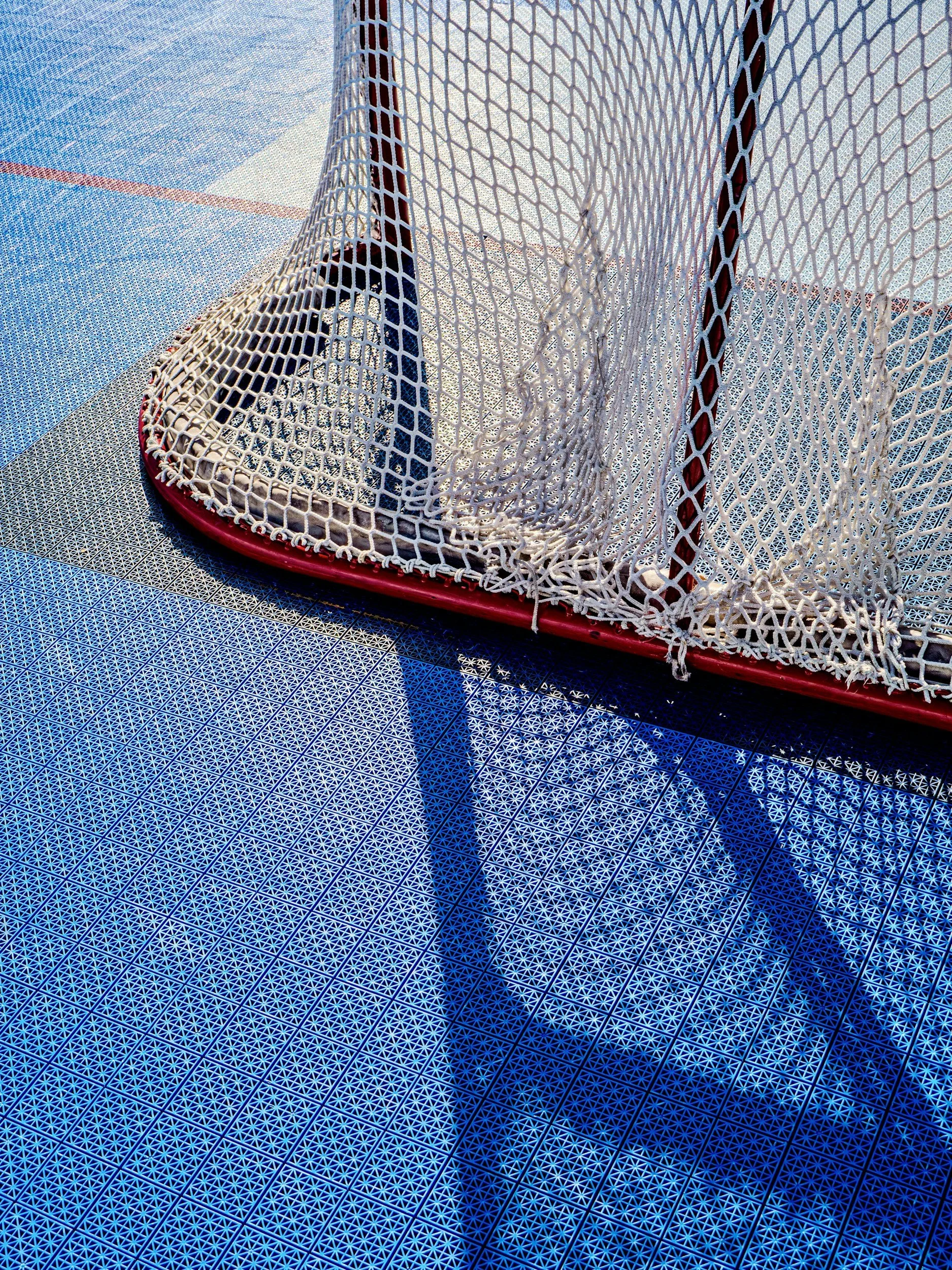
Hockey Injury Rehab in Whitby and Durham Region
Skating, shooting and contact place different demands on a hockey player's body. At The Physio Studio in Whitby, we help youth, recreational and competitive players recover from injury and work toward a confident return to the ice. Your rehabilitation reflects your position, symptoms and stage of the season.
Common Hockey Injuries We Treat
Groin and Hip Flexor Strains
Soreness or injury around the inner thigh and front of the hip can affect the skating stride. We work on strength, mobility and a gradual return to skating loads.
Shoulder Injuries
Falls and contact can lead to sprains, instability or rotator cuff symptoms. Rehabilitation is tailored to your assessment and the demands of play.
Knee Injuries
Twisting, collisions and falls can affect knee ligaments, cartilage or the tissues around the kneecap. We help you progress strength and control before returning to demanding drills.
Low Back Pain
Skating posture and the rotation involved in shooting can aggravate the back. We assess back and hip movement alongside strength and training demands.
Concussion
Stop playing if a concussion is suspected and seek medical assessment. Physiotherapy can support rehabilitation and a graded return-to-sport plan alongside medical care.
Wrist and Hand Injuries
Falls and stick contact can affect grip, shooting and stick handling. Assessment helps determine suitable treatment and whether additional medical care is needed.
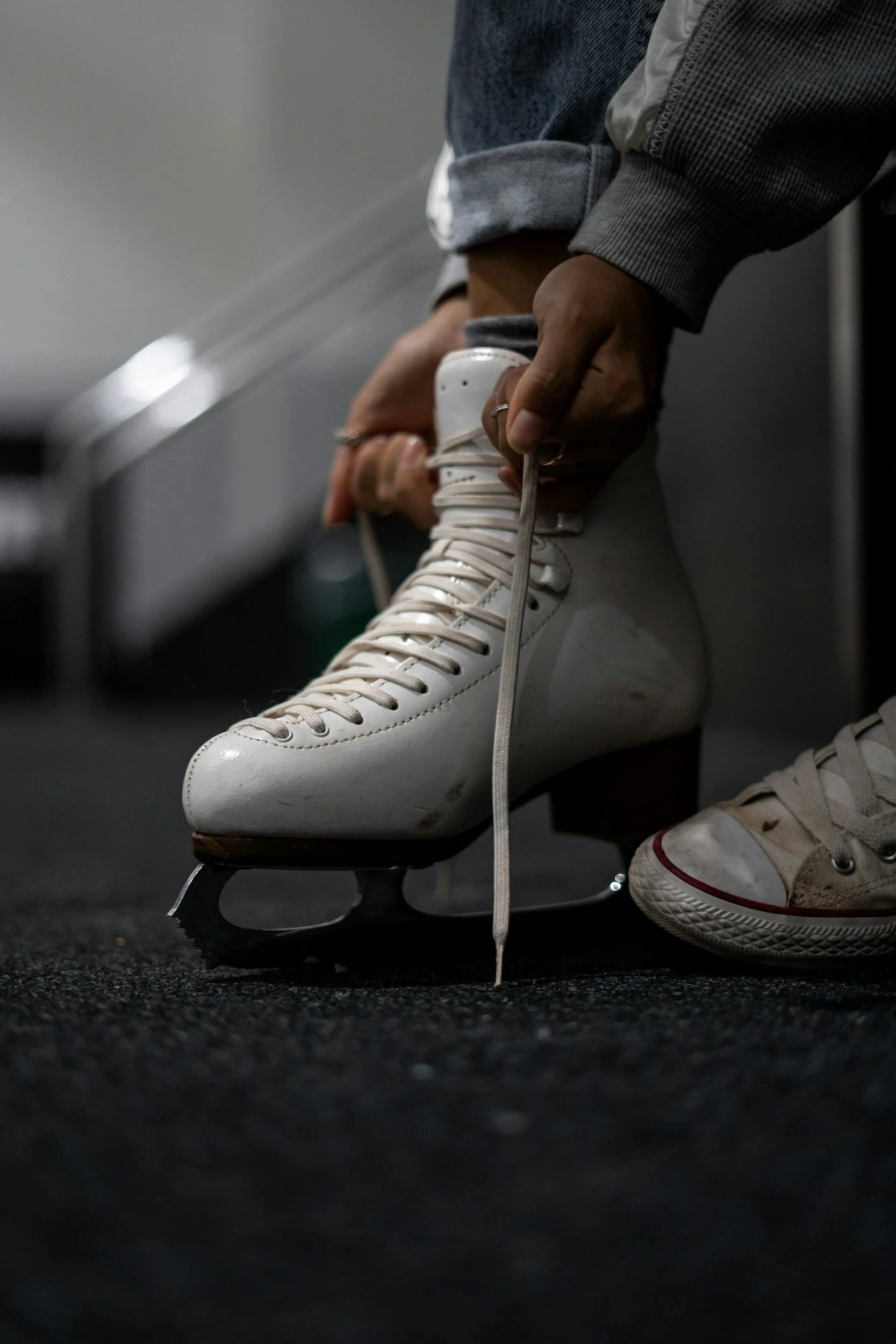
Book a Hockey Injury Assessment in Whitby
Request an appointment online or call 905-665-1999. Let us know your injury, position and upcoming hockey schedule.
Concussion Care for Hockey Players
Concussion recovery requires an individual plan. Our rehabilitation can address relevant neck, balance and activity-tolerance concerns while supporting a gradual return to school, work and sport. Return to contact practice and games requires medical clearance from a physician or nurse practitioner.
1
Return-to-Ice Rehab
We progress exercises toward skating strength, balance, acceleration and changes of direction. As recovery allows, the plan can move toward hockey-specific drills and contact preparation. Returning to full play depends on the injury, your progress and any required clearance.
2
Preseason and In-Season Support
You do not have to wait until an issue stops you from playing to ask for help. We assess recurring groin, shoulder and back symptoms and discuss suitable changes to training or participation. When useful, we coordinate with your coach or trainer.
3
Minor Hockey and Youth Players
For young players, rehabilitation needs to account for growth, school, team schedules and parental support. We work with players and families to explain the plan and progress activity appropriately. Suspected concussion should be medically assessed before return-to-sport decisions.
4
Frequently Asked Questions
-
Recurring symptoms can have several contributors, including strength, mobility and training load. An assessment helps us identify what needs attention and build a more complete rehabilitation plan.
-
It depends on the injury and your symptoms. Your clinician can advise whether participation should be modified or paused.
-
You can book physiotherapy without a doctor's referral, although your insurer may require one for reimbursement. Coverage and direct billing depend on your plan.