
Knee Pain
Physiotherapy for Knee pain in Whitby, ON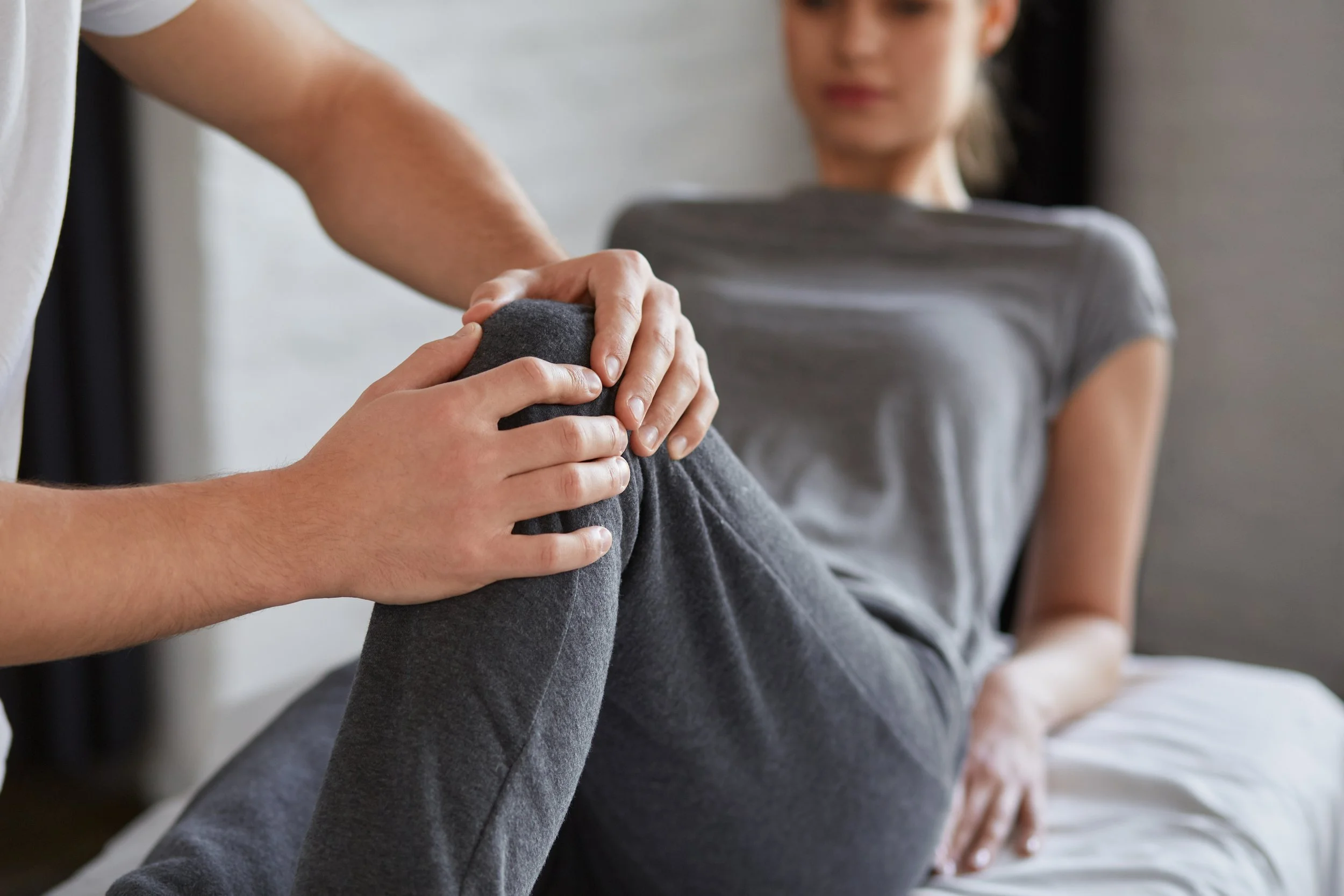
Searching for knee pain relief in Whitby, ON?
Knee pain can creep up gradually or hit all at once — but either way, it has a way of affecting everything. Stairs become a challenge. Walking the dog feels like a risk. Sleep gets disrupted. At The Physio Studio in Whitby, our physiotherapists get to the root of your knee pain — whether the problem is in the knee itself, or being driven by issues in your hip, foot, or movement patterns — and build a plan to fix it.
What's causing your knee pain?
The most common cause of knee pain in adults over 50. Cartilage breakdown leads to joint inflammation, pain, and stiffness. Physiotherapy is one of the most effective treatments — helping maintain function, reduce pain, and delay or avoid surgery.
Osteoarthritis
The meniscus acts as a shock absorber in the knee. Tears can happen suddenly during sport or gradually through wear and tear. Many meniscus injuries respond well to physiotherapy without surgery.
Meniscus injuries
Sudden twisting or impact can stretch or tear the ligaments that stabilise the knee. Physiotherapy plays a critical role in both non-surgical management and post-surgical rehabilitation.
Ligament injuries (ACL, PCL, MCL, LCL)
Pain around or behind the kneecap is extremely common in runners, cyclists, and active individuals. It's typically driven by a combination of muscle weakness, biomechanical issues, and load management problems.
Patellofemoral pain (runner's knee)
Repetitive loading of the patellar tendon — common in jumping sports — can cause tendon degeneration and pain just below the kneecap. A structured loading program through physiotherapy is the gold standard treatment.
Patellar tendinopathy
Osgood-Schlatter disease is a common, self-limiting cause of knee pain in active children and teenagers during growth spurts. It causes swelling, tenderness, and a noticeable bump on the shinbone just below the knee, caused by irritation of the growth plate from repetitive tendon stress.
Osgood-Schlatter
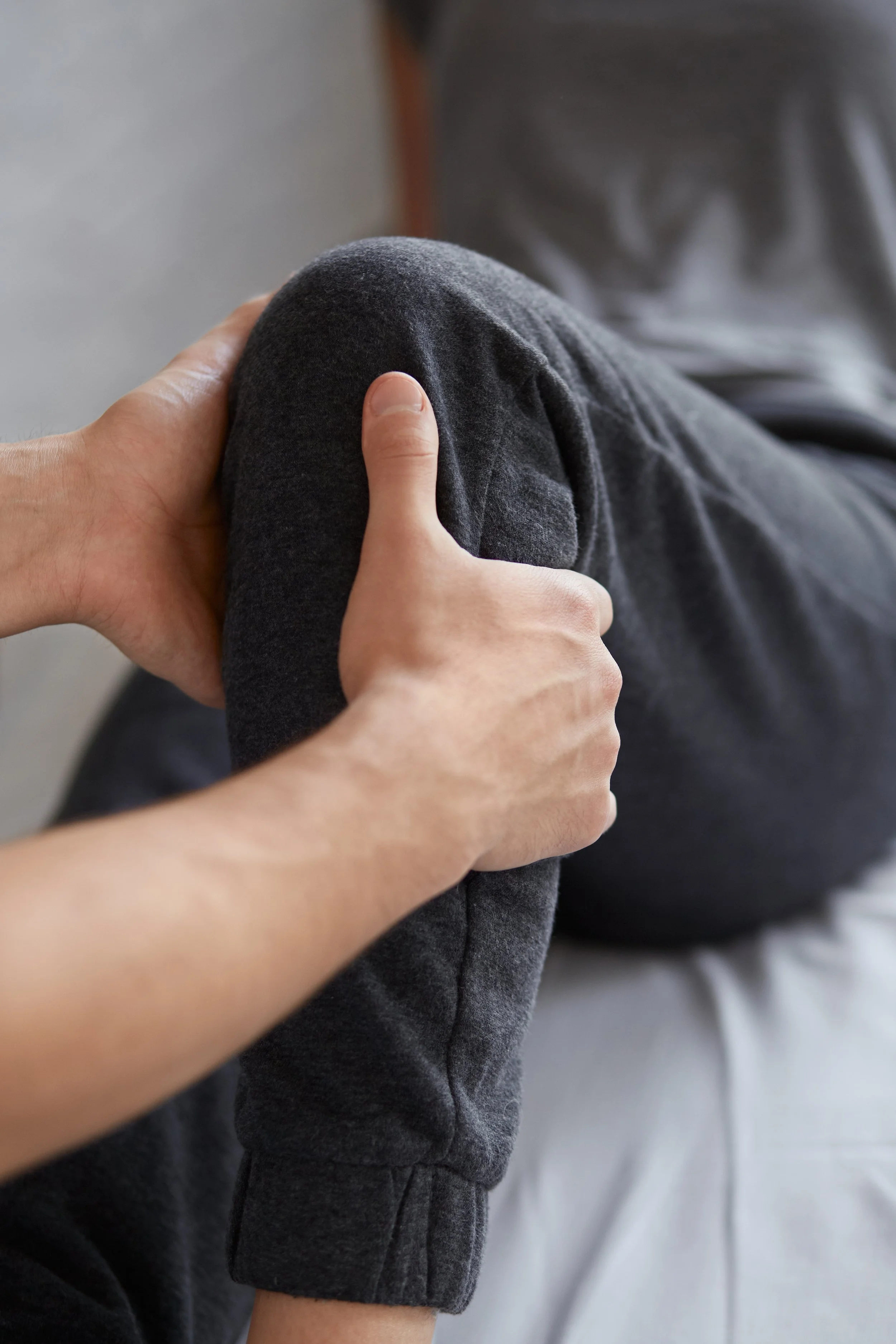
How we treat knee pain at The Physio Studio
We begin with a whole-body assessment that looks beyond the knee — examining the hip, foot, and movement patterns that contribute to how your knee is loaded. This allows us to address the actual drivers of your pain, not just the symptoms.
Treatment is tailored to your diagnosis and typically combines manual therapy, targeted strengthening exercises, activity modification guidance, and hands-on care. Many patients are surprised at how quickly they progress with the right plan in place.
FAQs
Can physiotherapy help knee arthritis?
Yes — physiotherapy is a first-line treatment for knee osteoarthritis. Exercise therapy, manual therapy, and education can significantly reduce pain and improve function, often avoiding or delaying the need for surgery.
Do I need surgery for a meniscus tear?
Not necessarily. Research shows that many meniscus tears — particularly degenerative ones — do just as well with physiotherapy as with surgery. Your physiotherapist will assess your tear and advise on the best course of action.
How long is recovery from an ACL injury?
ACL recovery — whether surgical or non-surgical — typically takes 9–12 months for full return to sport. Physiotherapy is the cornerstone of rehabilitation throughout this process.
Is it safe to exercise with knee pain?
In most cases, yes — with the right exercises and load management. Complete rest is rarely the answer for knee pain. A physiotherapist will guide you on what to do and how much, so you can stay active while healing.