Preventing Knee Injuries: What Athletes Need to Know
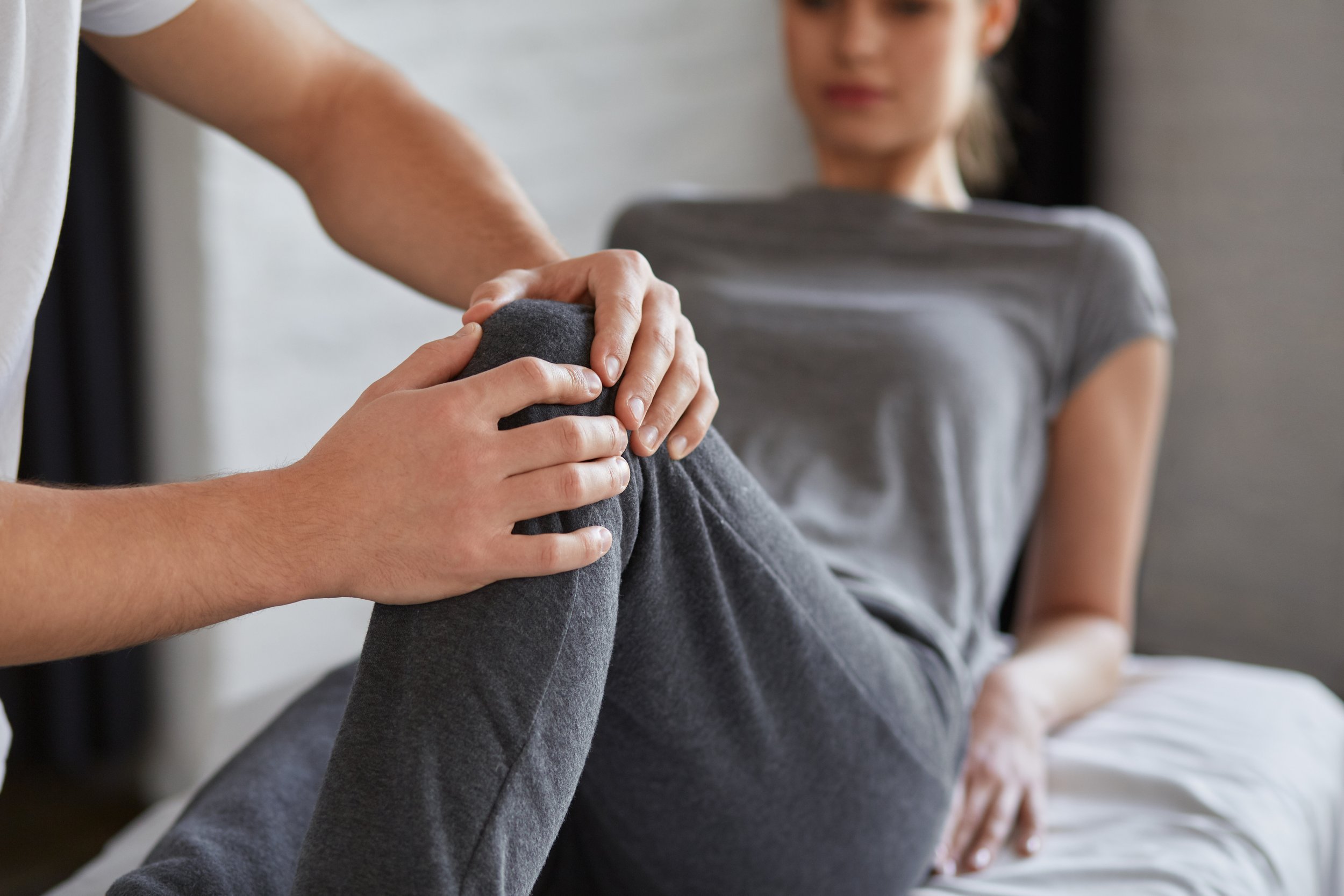
Knee Injury Prevention for Athletes: Stay Strong, Stay in the Game
For athletes and active individuals, knee injuries are more than frustrating. They interrupt training cycles, delay progress, and shake confidence.
The good news? Many knee injuries are preventable.
At The Physio Studio in Whitby, knee injury prevention starts with proactive strategy. Through targeted strength training, movement correction, and biomechanical assessment, we help athletes protect their knees and maintain peak performance.
If you want to train harder, compete longer, and reduce injury risk, prevention needs to be part of your plan.
Why Knee Injury Prevention Matters
Your knees absorb significant load with every sprint, jump, cut, and landing. Without proper strength, alignment, and control, that load can turn into strain.
Common preventable knee issues include:
Patellofemoral pain syndrome
Tendonitis
Ligament sprains
Overuse injuries
Meniscal irritation
The key is identifying small imbalances before they become major setbacks.
5 Knee Injury Prevention Tips from Our Physiotherapists
1. Strengthen the Muscles That Support the Knee
Strong muscles protect joints.
Targeted strengthening of the quadriceps, hamstrings, glutes, and calves improves shock absorption and knee stability. Exercises such as squats, lunges, step-downs, and single-leg drills build control where it matters most.
The goal is not just strength, but balanced strength.
2. Improve Your Movement Mechanics
Improper technique during running, jumping, or lifting can place unnecessary stress on the knee joint.
Physiotherapy helps refine your movement patterns, improving alignment and efficiency. Small adjustments in landing mechanics or stride can dramatically reduce joint strain.
Move smarter. Load better.
3. Prioritize Warm-Ups and Recovery
A proper warm-up prepares your muscles and connective tissues for load. It increases circulation, improves joint mobility, and enhances neuromuscular control.
Equally important is recovery. Cool-down routines and mobility work help maintain range of motion and prevent stiffness from accumulating over time.
4. Wear Proper Footwear and Equipment
Your shoes influence how force travels through your knees.
Properly fitted footwear supports alignment and distributes load evenly. For sport-specific activities, protective equipment such as knee supports or braces may provide added stability when appropriate.
5. Avoid Overtraining
Training stress without adequate recovery increases injury risk.
Fatigue reduces coordination and muscular control, making your knees more vulnerable to both acute and overuse injuries. Structured rest and load management are critical components of injury prevention.
The Physiotherapy Advantage: Biomechanical Assessment
One of the most effective tools in knee injury prevention is a comprehensive biomechanical assessment.
At The Physio Studio, this includes evaluation of:
Posture and alignment
Gait and running mechanics
Balance and single-leg stability
Muscle strength and activation patterns
Sport-specific movement demands
This detailed analysis helps identify subtle weaknesses or compensations that may place excessive stress on the knee joint.
From there, we design a personalized injury prevention program that may include:
Targeted strengthening
Mobility work
Movement retraining
Performance-focused conditioning
The result is not just reduced injury risk, but improved athletic performance.
Knee Injury Prevention in Whitby
Preventing knee injuries is not about training less. It is about training better.
At The Physio Studio in Whitby, we help athletes and active adults build resilient knees through evidence-based physiotherapy and customized prevention programs.
If you want to reduce injury risk and move with confidence, it starts with understanding how your body moves.
Book your assessment today and take a proactive step toward stronger, healthier knees.
.